
“The nation that will insist on drawing a broad line of demarcation between the fighting man and the thinking man is liable to find its fighting done by fools and its thinking by cowards.”
~ Lt Gen Sir William F. Butler (1838-1910)
In the British Army we pride ourselves on our readiness. Prowess in physical fitness, tactical decision-making and speed of action lie at the forefront of our profession. But there’s one form of readiness that’s often overlooked. It doesn’t come from kit, drills or doctrine – it comes from the mind.
Intellectual curiosity is the drive to ask questions. To explore ideas and seek deeper understanding that isn’t just academic. It’s a vital trait of the modern professional soldier and, if you’re wearing the uniform, it belongs in your belt kit.
Whether commanding or following, whether in a platoon or a brigade HQ, curiosity sharpens your edge. It helps you adapt faster, lead better and think deeper. It’s not about having all the answers – it’s about having the habit of asking better questions.
Curiosity makes you Operationally Agile
Today we are constantly reminded that the modern battlefield is ever changing and unpredictable. Hybrid threats, cyber warfare, AI, drones and information operations demand more than muscle memory. They demand mental agility. Soldiers who read widely, study adversary doctrine and reflect on historical campaigns build the cognitive flexibility to pivot under pressure. You don’t need a PhD to be curious and it isn’t just an officer sport. All ranks need the discipline to keep learning, even when the tempo is high: the tactical battle moves faster than the operational one.
So what? Practical actions:
- Read one article by Friday each week from a defence journal, historical case study or foreign doctrine summary. Start with RUSI, Wavell Room, CHACR or the British Army Review. Share an insight on Monday.
- Join / start a Unit PME group – keep it informal, short, and relevant. One case, one question, 30 minutes, weekly or fortnightly, open discussion.
3. Find time in your schedule to scan open-source on military and defence topics. Ask: “What would I do if I were them?” The Institute for the Study of War is excellent for both the Russo-Ukrainian War and the Gaza conflict.
Curiosity isn’t a distraction from the day job – it’s preparation for operations. It’s what lets you spot patterns others miss, challenge assumptions, and make decisions that stand up under scrutiny. In short, it’s tactical advantage in mental form.
Curiosity strengthens Ethical Command
Contrary to popular belief (mostly how it’s portrayed in films!), military leadership isn’t simply about issuing orders. It’s about making decisions that hold moral weight. Whether you’re dealing with civilians in a conflict zone, navigating the grey areas of rules of engagement or fighting high intensity peer-on-peer war, ethical clarity matters. Soldiers who engage with philosophy, law and cultural studies are training their intellectual and moral reasoning like they train their marksmanship.
So what? Practical actions:
- Investigate one case study per month from recent operations or historical dilemmas. Ask: “What would I do?” and consider the moral, ethical and tactical challenges.
- Discuss moral challenges with your team – use real-world examples, not hypotheticals. Keep it grounded.
- Explore cultural terrain before deployment – language basics, local customs, and historical context build empathy and reduce friction.
Curiosity helps you see the human terrain more clearly. It gives you the language to explain your decisions, the empathy to lead with integrity and the confidence to act when the right choice isn’t the easy one. In a profession built on trust, that matters.
Curiosity builds a Better Army
The British Army isn’t just a fighting force – it’s a living and learning organisation. Doctrine evolves, technology changes and the enemy adapts. If we want to stay ahead we need soldiers who think critically, challenge convention and contribute to institutional growth to adapt in contact. That starts with curiosity.
Whether you’re writing a lessons-learned report, mentoring a junior or contributing to doctrine development, your intellectual engagement makes the Army collectively stronger. Also, it’s not just about formal education. Curiosity shows up in conversations, in reading groups, in asking “why” when others settle for “because.”
So what? Practical actions:
- Submit one idea per quarter to your chain of command or a unit improvement board. Make it constructive and practical, not critical.
- Volunteer for a working group or trial – whether it’s kit testing, training design or doctrine / SOPs review.
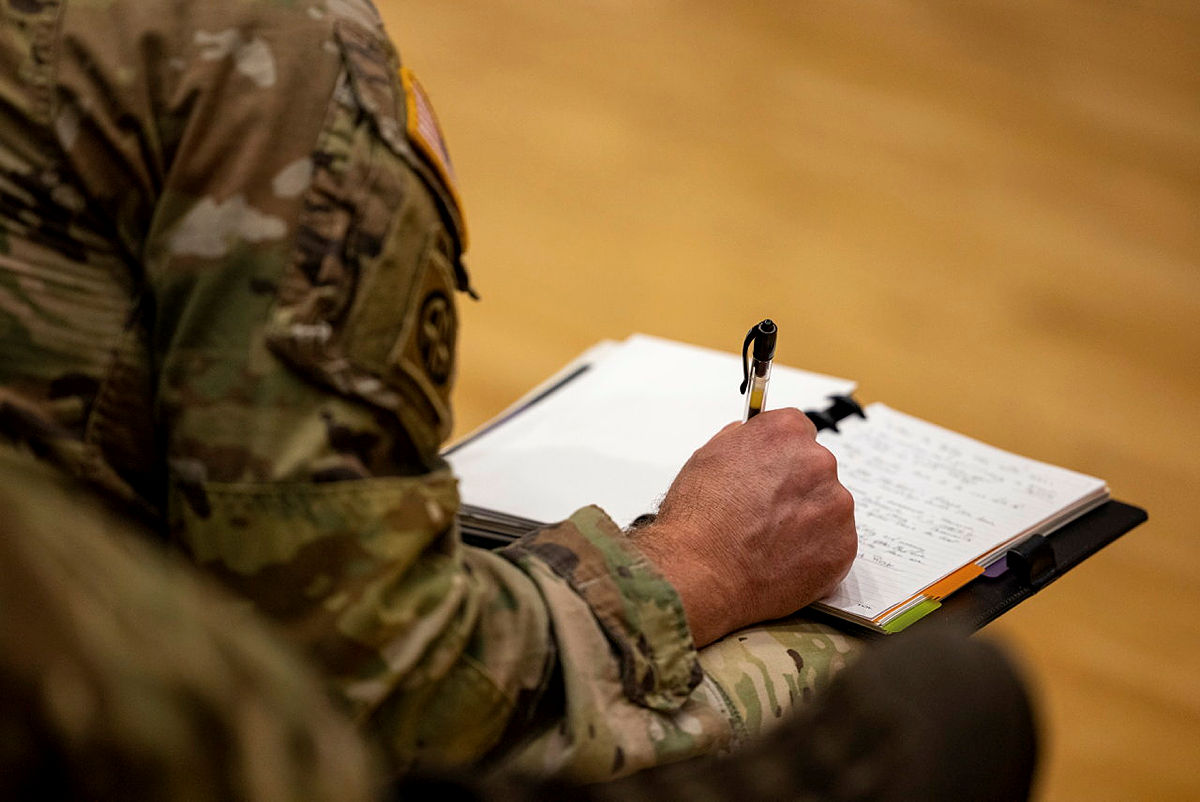
- Keep a short “thinking journal” – ‘back of your notebook’ type ideas, questions, quotes or observations from exercises and deployments. Start with five lines per day: observation, assumption, surprise, question, idea.
Curiosity is for Everyone
Let’s be clear: curiosity isn’t elitist. It’s not reserved for a particular mess nor is it issued on promotion courses. It belongs to every soldier and officer who wants to operate well and grow professionally. You don’t need a library (though that helps) you need a mindset. Ask questions. Read something outside your comfort zone. Listen to perspectives that challenge yours. That’s how you grow.
And if you’re mentoring others, model it. Encourage your team to think, reflect and speak up. The Army is at its best when every rank feels empowered to contribute ideas not just follow orders.
So what? Practical actions:
- Ask your team “What do you think?” before giving your own view. Let them shape the solution.
- Share one article or podcast a month with your section or platoon. Keep it short, relevant, and open-ended.
- Encourage juniors to challenge respectfully – build a culture where ideas are welcome, not shut down.
Curiosity and Discipline: a powerful pairing
Some worry that curiosity undermines discipline. It doesn’t. It refines it. Mission command thrives when soldiers understand intent and think independently. Curiosity helps you interpret orders wisely, adapt plans intelligently and execute with initiative.
The key is balance. Know when to question and when to act. Know when to explore and when to execute. That’s leadership.
So what? Practical actions:
- Use mission command deliberately – brief intent clearly, then ask your team how they’ll achieve it.
- Debrief with curiosity not just “what went wrong,” but “what surprised us?” and “what assumptions did we make?”
- Train decision-making under pressure – use tactical decision games, red teaming or “what if” drills.
A Call to Arms
So, here’s the encouragement to be curious: Read, reflect, ask, and share. Whether you’re in barracks, on deployment, or between courses, make space for intellectual growth. It will make you a better leader, a stronger follower, and a more resilient human being.
The Army needs thinkers as much as it needs fighters. The best are both. So pack curiosity in your belt kit.
Image credit: MOD

Laurence Thomson
Laurence Thomson is a Chief of the General Staff Fellow.